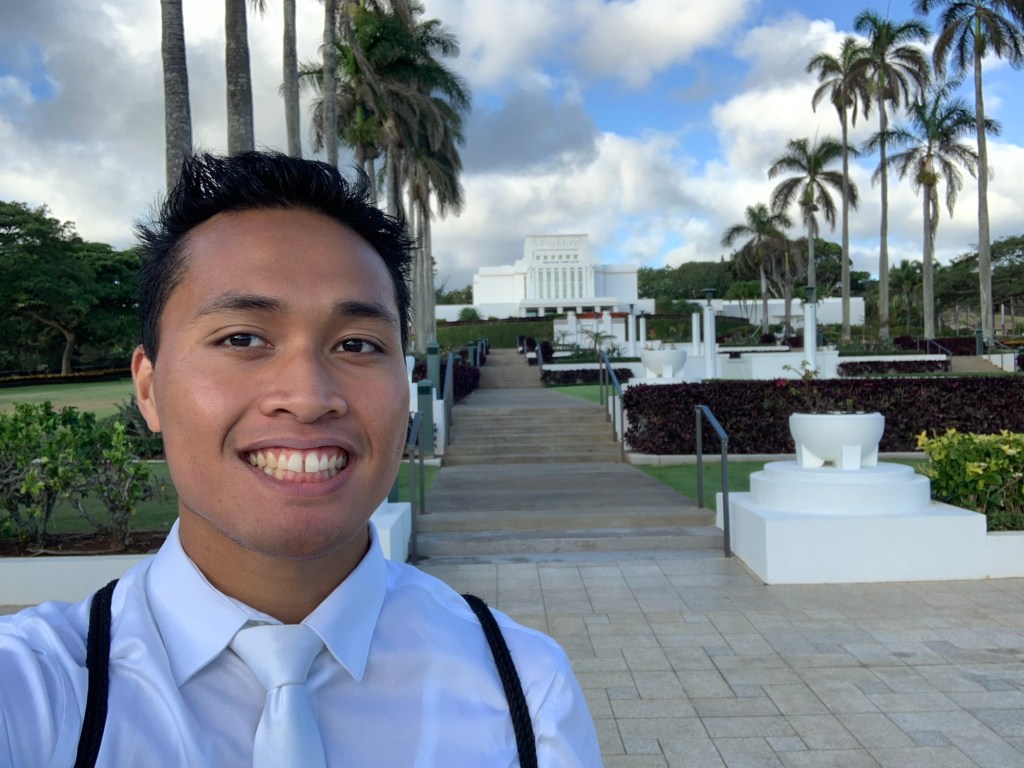
For many reasons, I often felt like I wasn’t “Samoan enough” or that I didn’t fit in with my own people.
In high school, people would mistaken me for being Filipino because I looked Oriental due to being part-Japanese. On the other hand, there were those who figured I was Samoan, partly due to having brown or dark skin. I was called anti-Samoan, whitewashed and plastic because I spoke in proper English and didn’t know how to speak my native tongue. In Hawaii, people either speak pidgin, the local slang, or broken English. Thus, speaking formally felt awkward and unfitting in certain social interactions.
I never took it personally nor was I offended. However, I began questioning if I was a “true Samoan”, based on these judgments of not looking or talking like a Samoan and not speaking the language.
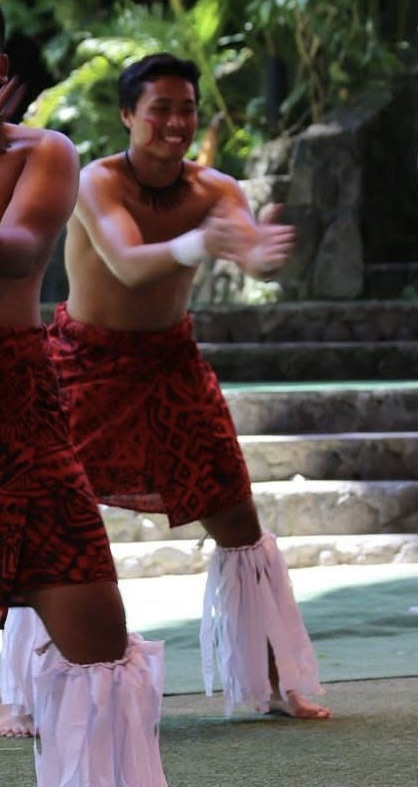
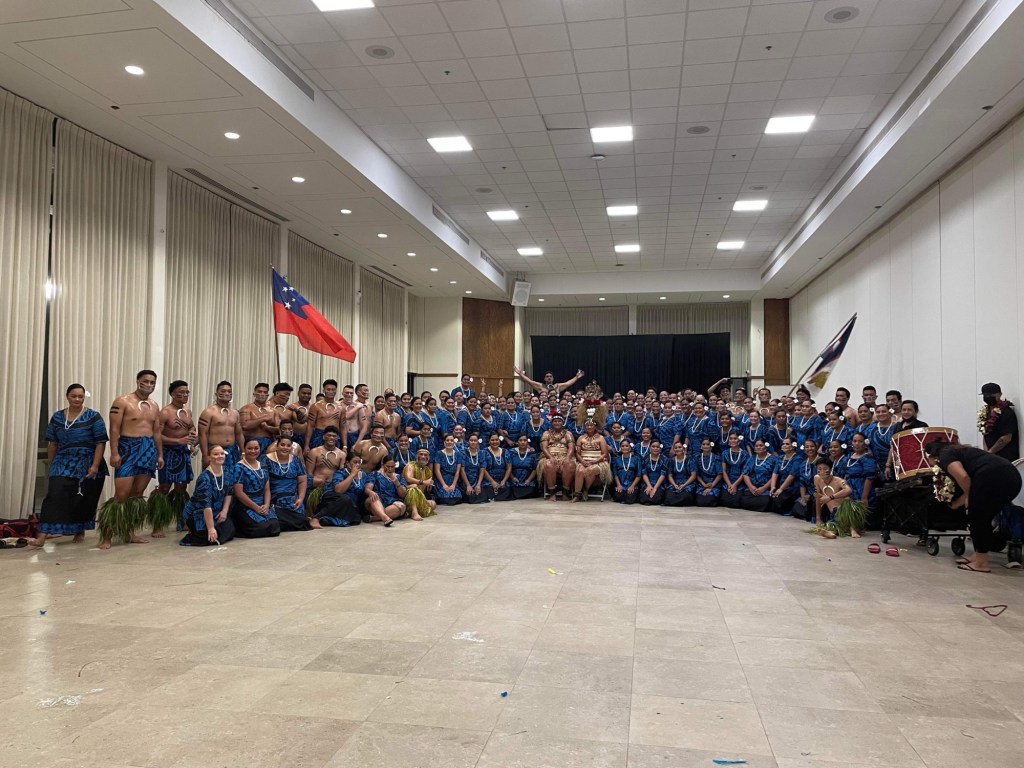
Despite these insecurities, I embraced my culture through dance, music and traditional clothing. In high school, I performed for the We Are Samoa dance festival at the Polynesian Cultural Center in Lā’ie, Oahu. For Sunday church services , I would wear a ‘ie faitaga or dress cloth as formal attire. For me, this was my way of connecting with my culture.

I shared these feelings with my therapist, who is ‘afakasi or half-Tongan and white. She related to my experience of not feeling “enough” in our culture(s). This led to us talking about cultural policing and gatekeeping. This occurs when and members of a certain race dictate or make judgment on what defines their cultural identity.
Over the years, being autistic has set me apart from my people. I was often bullied and misunderstood by own peers of the same race. Autism is misunderstood and frowned upon in my culture, thus, I did feel marginalized or outed, deepening my feelings of otherness.
To further illustrate this scenario, my therapist shared an example from The Fresh Prince of Bel-Air. In one episode, Carlton is rejected from an all-black fraternity group. The president, Top Dog, thinks Carlton doesn’t exemplify the markings of being black (in his belief, was being underprivileged and working class citizens) due to his wealthy background. Carlton calls him out for his misguided judgment, saying “Being black isn’t what I’m trying to be, it’s who I am”.

My race isn’t a costume I have to fit, but part of my identity. I adopted Carlton’s words for my own mindset – “Being Samoan isn’t what I’m trying to be, it’s who I am”.
Don’t get me wrong, I do want to learn my language, continue performing cultural dances and embracing the stories and traditions of my people. Those ambitions stem from my desire to know where I come from. To preserve the roots of my heritage.
#AAPIHeritageMonth #Samoan #PolynesianDiaspora
 From My World to Yours
Leave a comment